Article
How Much Protein Do You Really Need? Quality Matters More Than Chasing Numbers
Social media says everyone needs 150 g of protein a day—but that's rarely true. Learn how much protein you actually need, why plant protein can support a healthy diet, and why a balanced, whole-food approach matters more than hitting an arbitrary number.
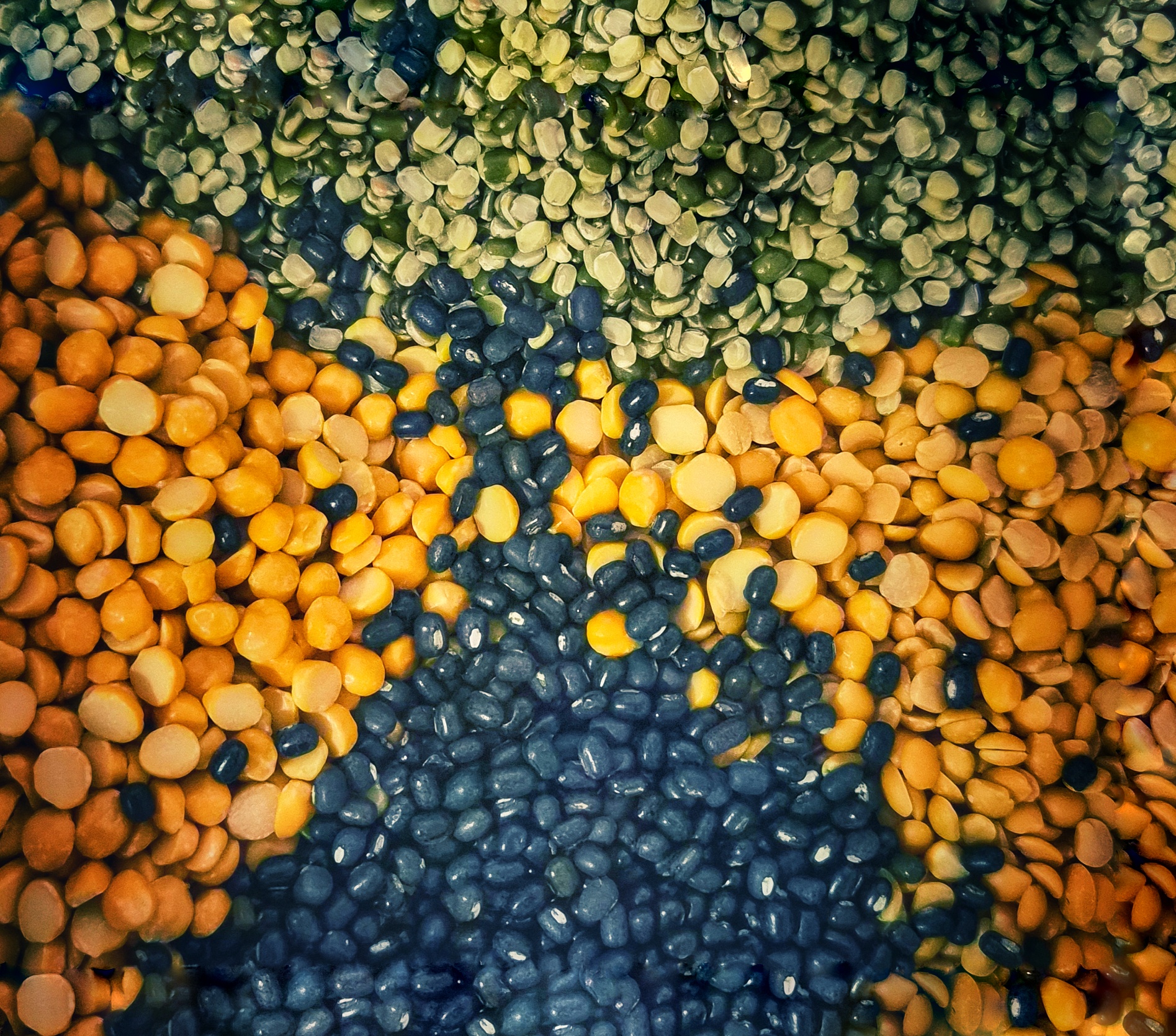
How much protein do you really need?
Your protein needs depend on your body, your lifestyle and your goals—not on a number trending online.
Build your meals around whole foods
The latest dietary guidance continues to support a simple approach to healthy eating: focus on whole, nutrient-dense foods rather than individual nutrients.
A healthy eating pattern includes:
- Vegetables
- Fruits
- Whole grains
- Beans, lentils and peas
- Nuts and seeds
- Healthy fats
- Protein-rich foods
- Dairy or fortified alternatives, depending on your dietary pattern
Rather than chasing the latest superfood or high-protein snack, eating a wide variety of minimally processed foods consistently is one of the best things you can do for your health.
Your protein needs are personal
There is no single protein target that works for everyone.
The amount you need depends on:
- Age
- Sex
- Height and weight
- Physical activity level
- Health status
- Whether your goal is to maintain weight, build muscle or lose fat
This also means that calorie needs vary from person to person. A physically active young adult requires far more energy than someone who is smaller and less active.
Why protein recommendations are changing
For many years, the Recommended Dietary Allowance (RDA) for protein was 0.8 g per kilogram of body weight per day. This amount was designed to prevent deficiency—not necessarily to optimise muscle health or healthy ageing.
Many nutrition researchers now recommend around 1.2–1.6 g of protein per kilogram of body weight per day for many healthy adults, particularly those who are active or older.
For example, someone weighing 68 kg (150 lb) might aim for:
- Old RDA: around 54 g per day
- Higher optimal range: around 82–109 g per day
These are general recommendations, not rules. Some people will need less, while others may benefit from more.
Is plant protein the same as animal protein?
Not exactly.
Animal proteins generally provide all essential amino acids in ideal proportions and are usually highly digestible.
Individual plant protein sources can be lower in one or more essential amino acids. For example:
- Beans and lentils are relatively lower in methionine
- Many grains are relatively lower in lysine
However, this does not mean plant-based diets are inadequate.
Eating a variety of plant foods throughout the day naturally provides complementary amino acids. You do not need to combine specific proteins at every meal.
Soy foods—including tofu, tempeh and edamame—are among the highest-quality plant protein sources and provide an excellent amino acid profile.
Stop chasing 150 grams
Unless you're a large strength athlete or have specific sports performance goals, 150 g of protein every day is unnecessary for most people.
More protein is not always better.
Instead of trying to hit an arbitrary number, focus on:
- Including a good source of protein at each meal
- Eating plenty of vegetables and fruit
- Choosing whole grains over refined grains
- Eating a variety of legumes, nuts and seeds
- Meeting your individual calorie needs
What this means at veg protein kitchen
At Veg Protein Kitchen, we don't believe every recipe needs to deliver 40–50 g of protein to be healthy.
Instead, we focus on creating balanced meals that are:
- Naturally rich in plant protein
- Made with whole, minimally processed ingredients
- High in fibre
- Packed with vitamins and minerals
- Built around traditional combinations that naturally provide complementary amino acids
- Simple enough to become everyday favourites
What does this look like on your plate?
Many traditional dishes around the world already combine plant foods in ways that provide plenty of protein and a balanced amino acid profile.
- Lentil dal + brown rice — around 23 g protein. Lentils are rich in lysine, while rice provides more methionine, making this a classic complementary protein pairing.
- Chickpea curry + wholegrain naan — around 22 g protein. Legumes and whole grains naturally complement each other to provide all the essential amino acids.
- Hummus + wholemeal pita — around 16 g protein. Chickpeas and whole wheat are another time-tested combination that delivers balanced plant protein.
- Tofu stir-fry with vegetables and brown rice — around 30 g protein. Soy is a complete protein, so tofu already contains all nine essential amino acids, while the rice and vegetables add extra nutrients and fibre.
The takeaway? You don't need to obsess over combining proteins at every meal. Eating a varied diet rich in legumes, soy foods, whole grains, nuts and seeds throughout the day is an easy and delicious way to meet your protein needs.