Legumes
Lentils
Lens culinaris
Lentils are one of the most useful vegetarian protein staples: affordable, quick-cooking, high in fibre and easy to use across many cuisines. They are not a complete protein on their own, but they pair naturally with grains, seeds, nuts or dairy to create balanced, filling meals.
Macros are per 100g of the cooked ingredient (e.g. oats, quinoa, lentils and other pantry staples that require cooking). Nutritional values are estimated using recognised nutrition databases and calorie-tracking software to provide a practical guide, although they may vary depending on the exact ingredients and brands you use.

Origin
Lentils are one of the oldest cultivated pulse crops, with a history that goes back thousands of years across the Middle East, Mediterranean, North Africa and South Asia. They became a staple because they store well, cook faster than many beans and provide reliable protein in plant-forward diets. Today, lentils are used globally in dals, soups, stews, salads, patties, spreads and baked dishes.
Culinary uses
- · soups
- · stews
- · salads
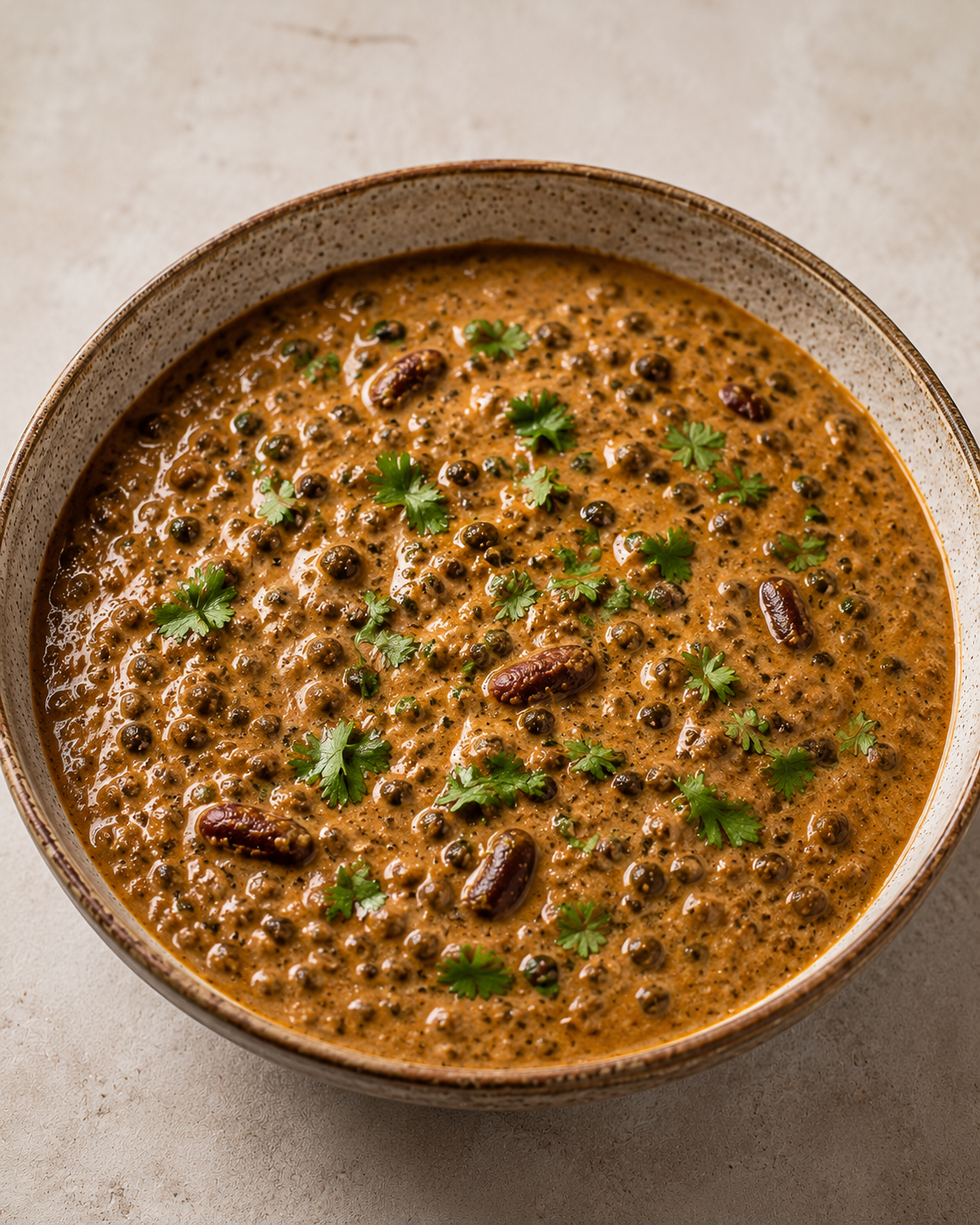
- · curries
- · dip
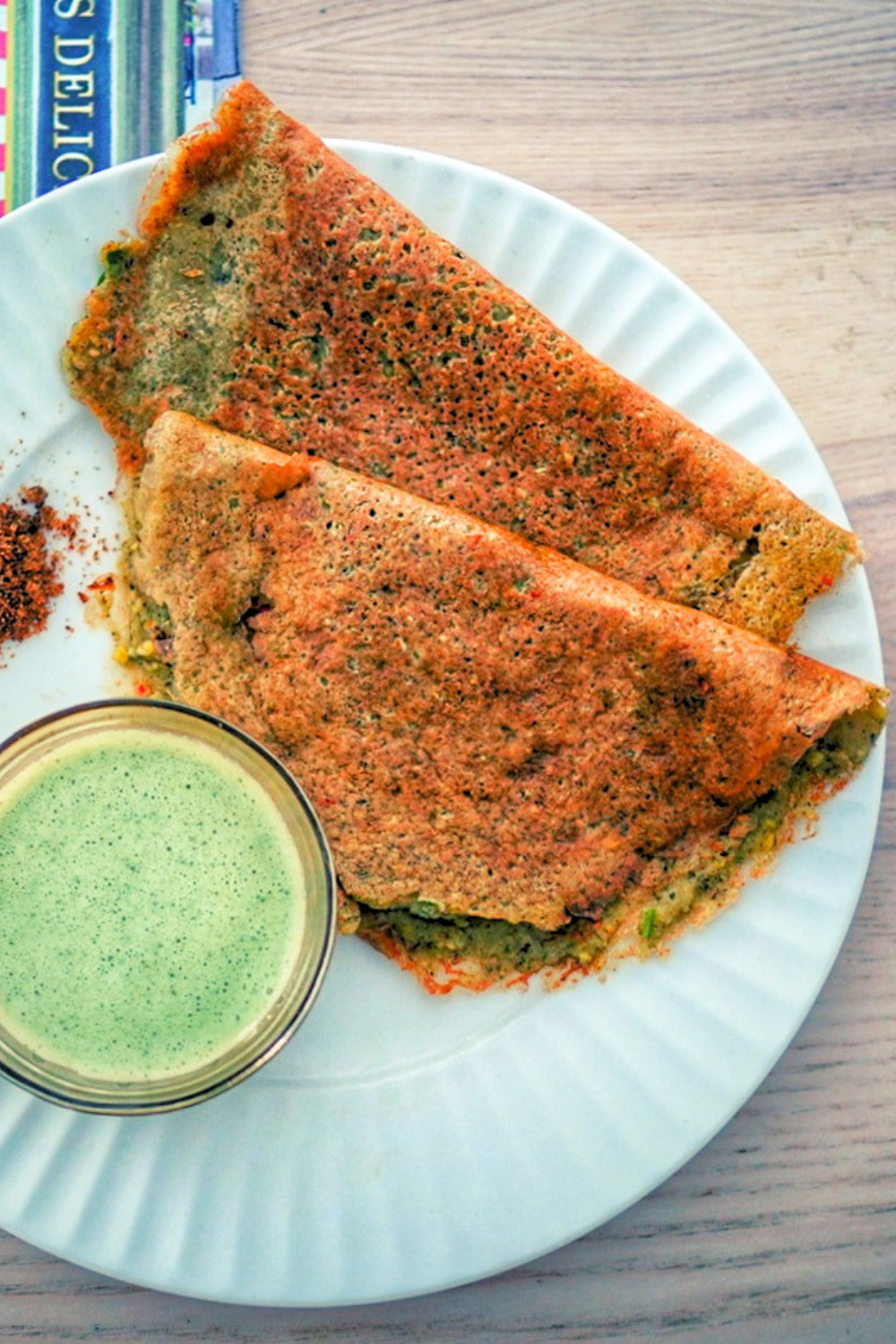
- · flatbread
- · patties
Cooking guide
Rinse lentils well before cooking and remove any small stones. Red and yellow split lentils cook quickly in 10–20 minutes and break down into a soft, creamy texture, making them ideal for dal, soups and sauces. Brown and green lentils usually take 20–30 minutes and hold their shape better, so they work well in salads, stews and grain bowls. Black beluga and French green lentils stay firmer and are good for warm salads or side dishes. Lentils do not usually need soaking, although soaking can shorten cooking time and make them easier to digest for some people.
Storage
Store dry lentils in an airtight container in a cool, dark cupboard. They keep for a long time, but older lentils may take longer to cook and may not soften as evenly. Cooked lentils should be refrigerated and used within 3–4 days, or frozen in portions for quick meals.
Buying guide
Choose the lentil type based on the texture you want. Red or yellow split lentils are best for creamy dals, soups and sauces. Brown lentils are a practical everyday option for stews, fillings and batch cooking. Green, French green and black beluga lentils are better when you want the lentils to stay distinct and firm. Check that dry lentils look clean, evenly coloured and free from dust or musty smells.
Health benefits
- plant protein
- high fibre
- iron
- folate
- magnesium
- potassium
- filling
- supports digestion
- steady energy
- low fat
- slow carbs
- vegetarian staple