Dairy
Paneer
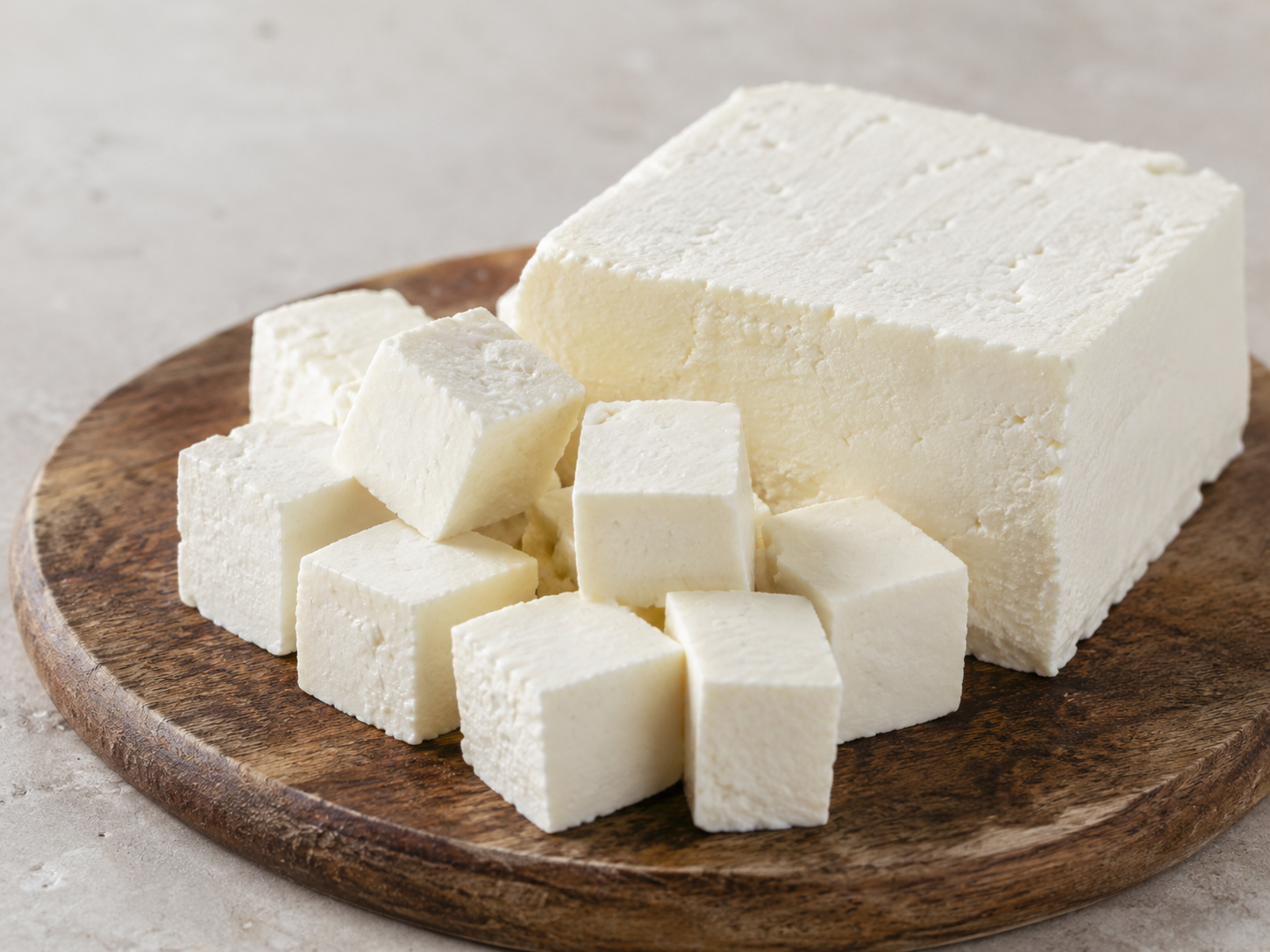
Paneer is a fresh Indian cheese made by curdling milk with lemon juice, vinegar or another acid. It has a mild, milky flavour and a firm but soft texture that holds its shape when cooked. Because it is rich in complete dairy protein, paneer is one of the most useful vegetarian protein boosters for curries, wraps, salads, bowls and savoury breakfasts.
Macros are per 100g of the cooked ingredient (e.g. oats, quinoa, lentils and other pantry staples that require cooking). Nutritional values are estimated using recognised nutrition databases and calorie-tracking software to provide a practical guide, although they may vary depending on the exact ingredients and brands you use.
Origin
Paneer is widely used across the Indian subcontinent, especially in North Indian cooking. It belongs to a family of fresh acid-set cheeses, meaning it is made without rennet and does not need ageing. This makes it especially important in many vegetarian diets, where it provides a satisfying source of protein in dishes such as palak paneer, paneer tikka, matar paneer and paneer bhurji.
Culinary uses
- · curries
- · paneer tikka
- · wraps
- · salads
- · grain bowls
- · bhurji
- · stuffed flatbreads
Cooking guide
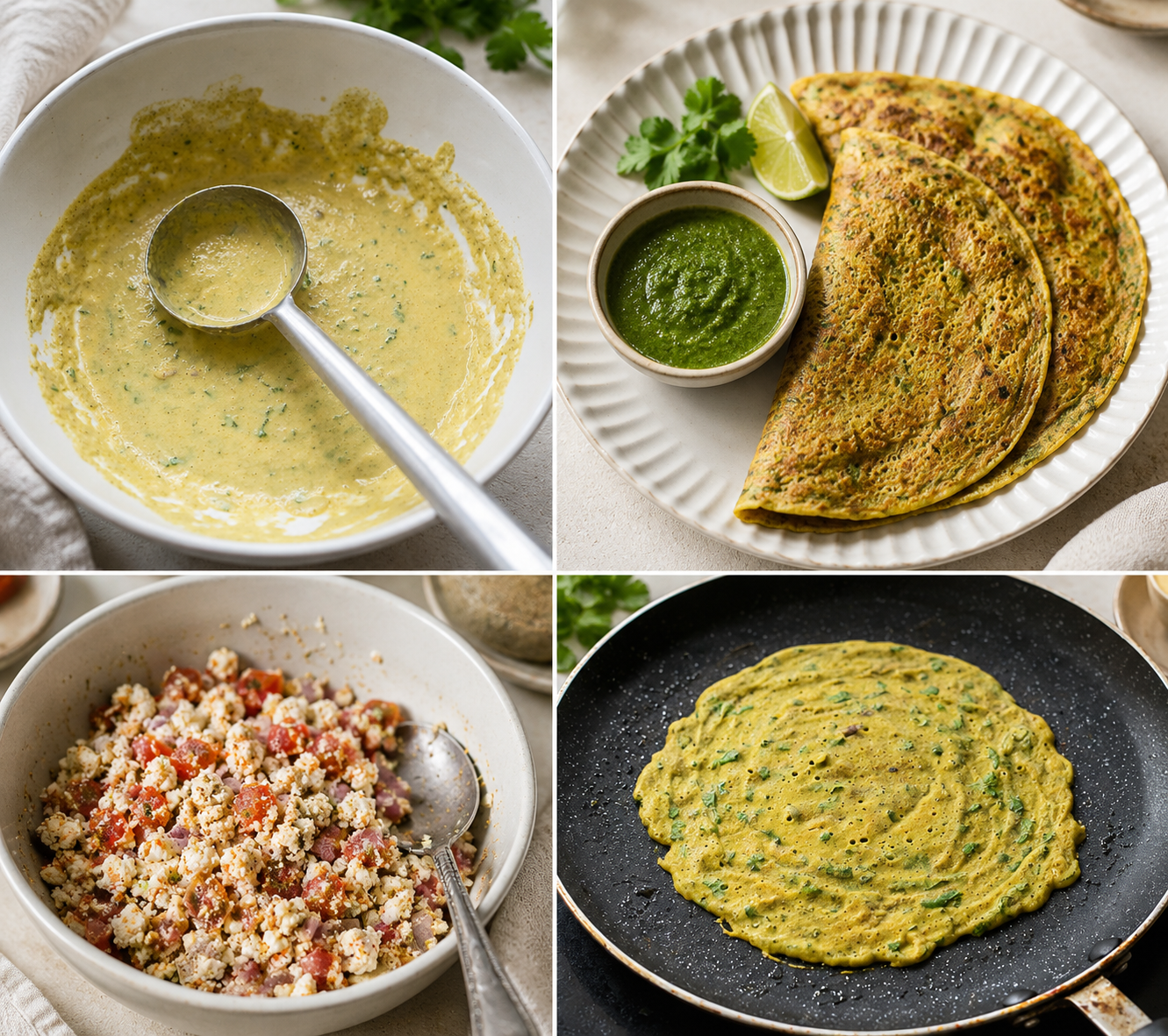
Paneer can be used straight from the pack, but it is often better after a quick soak in warm water for 10–15 minutes, especially if it feels firm or dry. Cut into cubes, slices or crumbles depending on the recipe. For curries, add paneer near the end so it warms through without becoming rubbery. For tikka or grilled dishes, marinate first, then pan-fry, grill or bake until lightly golden. Paneer can also be crumbled into bhurji, stuffed into parathas or added to high-protein savoury pancakes and wraps.
Storage
Keep paneer refrigerated and use by the date on the pack. Once opened, store it in an airtight container and use within 2–3 days. To keep it softer, store leftover paneer covered with fresh water in the fridge and change the water daily. Paneer can be frozen, but the texture may become more crumbly after thawing, so it is best used in cooked dishes.
Buying guide
Choose plain paneer with a short ingredient list, ideally milk plus an acid such as lemon juice, vinegar or citric acid. Full-fat paneer is softer and richer, while lower-fat paneer can be firmer and drier. Look for blocks that are fresh-smelling, pale cream in colour and not overly rubbery. Avoid paneer that smells sour, has excess slimy liquid or looks discoloured.
Health benefits
- complete protein
- calcium
- phosphorus
- vitamin B12
- filling
- low carb
- vegetarian protein
- supports muscle repair
- supports bone health